Self-confidence is often described as an internal state, yet it does not exist in isolation from the body, the mind, or the way we see ourselves. Human beings understand identity through reflection. We recognize our faces in mirrors, our voices in conversation, and our bodies in motion. These cues influence whether we feel secure, visible, comfortable, or hesitant in the world.
Self-image is not vanity. It is a psychological anchor. When a person feels aligned with the way they present themselves, inner confidence becomes easier to access. When appearance and identity feel disconnected, doubt can quietly grow.
Understanding this relationship can help anyone build emotional stability from the inside out.
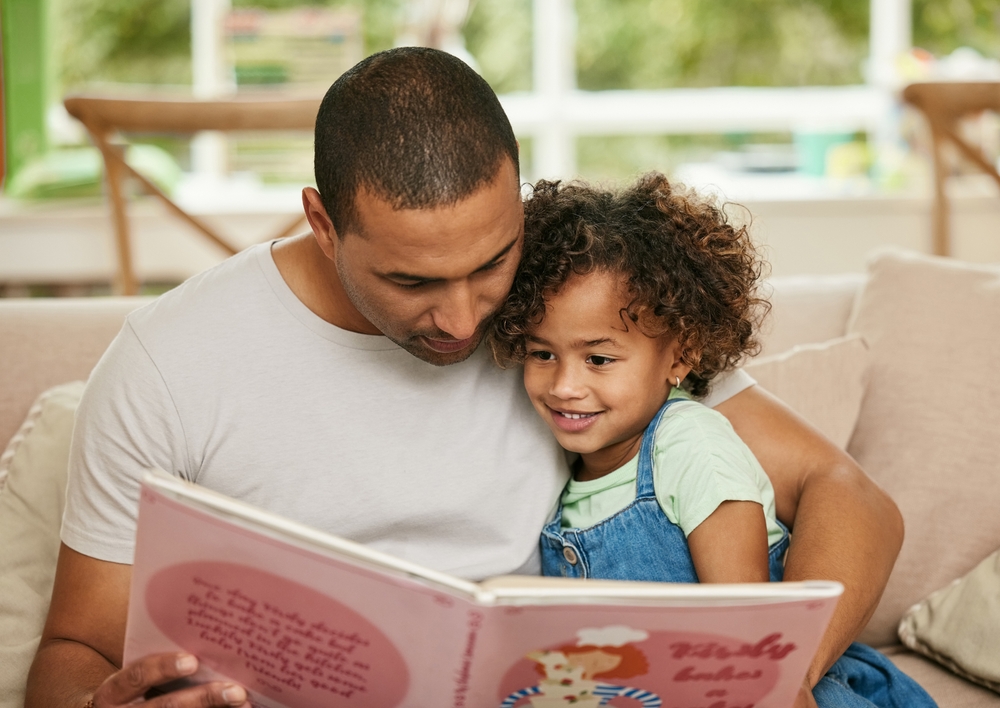
How We See Ourselves Shapes How We Behave
Self-image acts like a silent guide. If a person sees themselves as capable, attractive, intelligent, or resilient, they tend to behave accordingly. They take opportunities, speak up in conversations, and trust their thoughts.
When someone sees themselves as inadequate or diminished, confidence shrinks. They may apologize unnecessarily, avoid new experiences, or become self-critical. This internal dialogue becomes a behavioral pattern.
Adjusting self-image is therefore a route to adjusting behavior.
Appearance as an Emotional Signal
The way we present ourselves sends messages to the brain. A simple change, such as choosing clothing that fits comfortably, updating a hairstyle, or solving an issue that affects personal identity, can encourage emotional stability.
For example, many people notice changes in hair density over time. Seeking support from the Harley Street Hair Clinic in London can help individuals regain a sense of personal continuity. When people feel that their outer appearance reflects who they are internally, emotional discomfort begins to ease.
This is not about creating a flawless image. It is about supporting authenticity.
Self-Image and Social Interaction
Confidence does not grow in isolation. Human connection plays a central role. When someone feels unhappy with their self-image, they often withdraw from social settings or reduce eye contact. Over time, this reinforces isolation, which then fuels insecurity.
Improving self-image encourages participation. It helps people communicate, smile, and engage. This builds emotional resilience and strengthens relationships, which further supports confidence.
Self-image becomes a cycle, either upward or downward.
The Importance of Ownership
Changing self-image begins with ownership. Individuals who choose to invest in their appearance, their wellbeing, or their habits signal to themselves that they matter. This is a form of internal validation.
Ownership can include exercise, skincare, addressing concerns around hair, updating clothing, or seeking professional advice. More importantly, ownership involves language. Speaking to yourself with encouragement rather than criticism has a measurable impact on self-confidence.
Self-care and self-respect are closely linked.
Rejecting Perfection
Confidence grows in reality, not idealism. Perfect images on social media often distort expectations. Real confidence involves accepting limitations, acknowledging personal strengths, and treating appearance as part of a whole identity rather than a measure of worth.
Self-image becomes healthier when expression replaces comparison.
Inner Confidence as a Daily Practice
Building confidence requires repetition. Small actions accumulate into a mindset. People who nurture their appearance, notice personal progress, invest in wellbeing, and choose supportive relationships create emotional architecture that stays stable under pressure.
Inner confidence becomes the outcome of lived choices, not a personality trait assigned at birth.
Conclusion
Self-image is not shallow. It is psychological infrastructure. When appearance, identity, and personal values feel balanced, confidence becomes natural rather than forced. Strength grows when a person feels able to show up as themselves, without apology.
Supporting self-image is not about chasing approval. It is about aligning the inner self with the outer world so that confidence has space to thrive.