Confidence is not built overnight. For students, it develops slowly through consistent progress, positive reinforcement, and a sense of accomplishment. In the classroom, however, this growth can be limited. Teachers must divide their attention among many learners, and some children are left without the support they need to feel capable. This is where one-on-one tutoring becomes transformative, offering a safe space for students to grow both academically and personally.
Our insights from professionals who work in maths tutoring in Adelaide highlight a recurring theme. Students who receive individual attention not only improve their grades and build self-assurance that extends into other areas of their lives. This confidence shift is powerful. It changes how children approach challenges, interact with peers, and engage with learning itself.
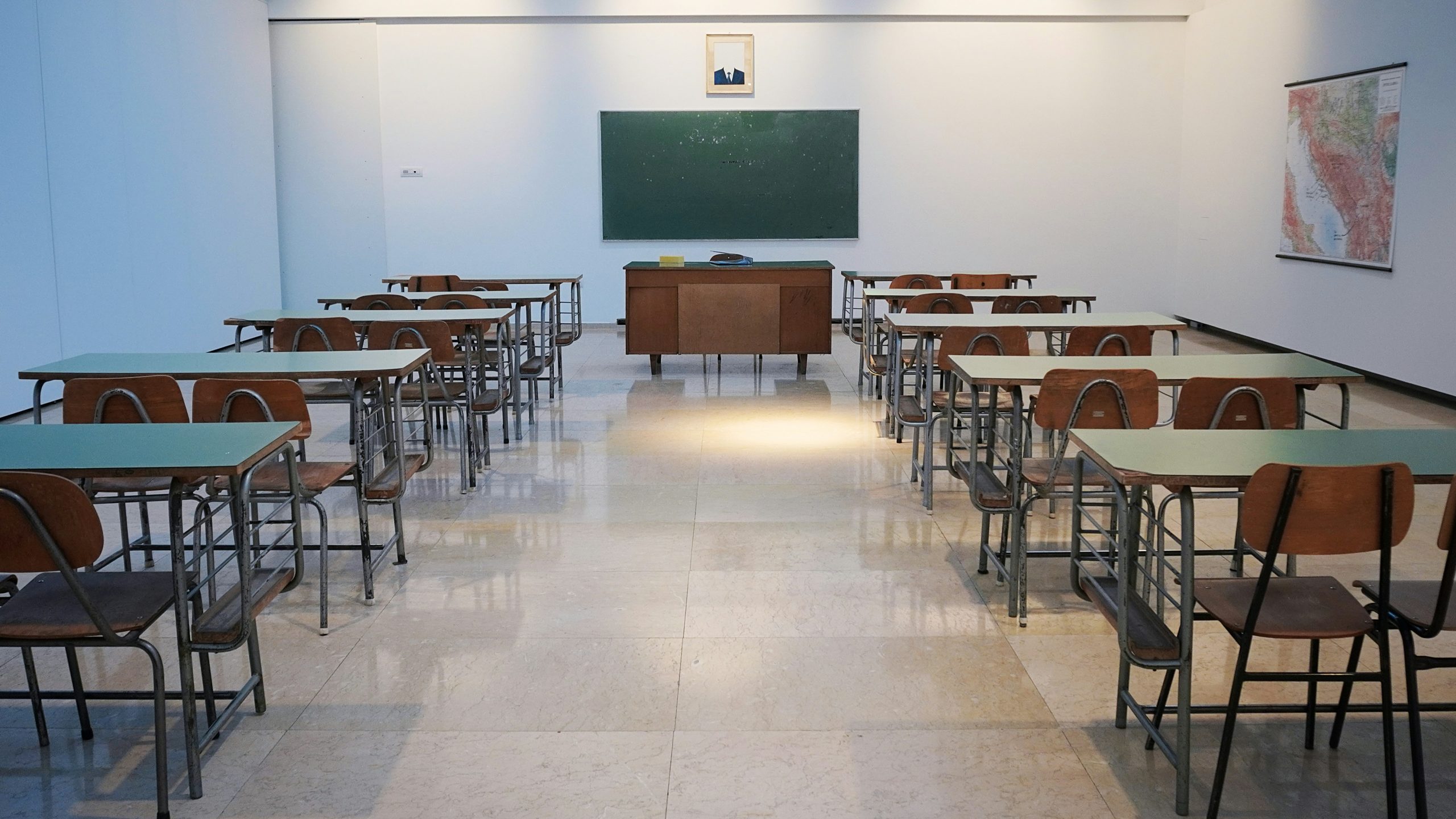
How One-On-One Tutoring Helps Students Build Confidence
Personalized Learning Sparks Engagement
When lessons are designed for a single student, the approach changes completely. Tutors can adapt the pace, adjust explanations, and use methods that match the child’s learning style. This personalization makes the material easier to grasp and keeps the student engaged.
A tailored approach eliminates the frustration many students feel in crowded classrooms. They no longer have to worry about being left behind or feeling bored with content they already know. Instead, they stay involved because the material feels relevant and achievable. That sense of ownership over learning naturally builds confidence.
Supports Consistency in Learning
School calendars are packed with interruptions like holidays, teacher absences, or unexpected school closures. These breaks often disrupt learning and make it harder for students to retain new material. One-on-one tutoring provides a consistent educational rhythm that helps students stay engaged and progressing, even during disruptions.
Tutors can maintain momentum by reviewing key concepts, introducing new topics, or reinforcing lessons that may have been rushed in school. This stability strengthens a student’s connection to their learning. When they know that someone is regularly supporting them, they feel more secure in their abilities and more willing to tackle academic tasks with confidence.
Safe Space for Asking Questions
Classrooms can be intimidating. Many students hesitate to raise their hands out of fear of making mistakes in front of their peers. In a one-on-one setting, those barriers vanish. Tutors create an environment where questions are welcomed, and errors are seen as opportunities to learn.
This shift encourages students to take risks they might avoid in school. Over time, they become more comfortable speaking up and seeking clarification. That comfort carries over into the classroom, where they begin participating more actively, showing their growing confidence in both themselves and the subject matter.
Steady Progress Reinforces Self-Belief
Consistent improvement is one of the strongest confidence boosters. Tutoring allows students to see measurable progress, whether it’s mastering multiplication tables, writing stronger essays, or improving test scores. Each achievement builds momentum.
Small wins accumulate into lasting self-belief. Students start recognizing their ability to succeed, which changes how they approach future challenges. They learn that effort pays off, creating a more positive attitude toward schoolwork and problem-solving.
Positive Reinforcement Builds Motivation
Feedback matters. Tutors offer immediate praise for effort, creativity, and persistence, not just correct answers. This consistent encouragement helps students view themselves as capable learners.
When children are motivated by recognition of their effort, they begin to see learning as rewarding rather than daunting. That motivation keeps them engaged longer, and the more time they spend practicing with confidence, the stronger their academic and emotional growth becomes.
Reduces Anxiety Around Tests and Grades
Test anxiety is a common problem that can hold students back from performing their best. One-on-one tutoring addresses this by preparing students with strategies tailored to their needs. With more practice and familiarity, the fear of exams gradually decreases.
As anxiety lessens, students begin to focus on demonstrating what they know rather than worrying about failure. The confidence built during tutoring sessions helps them remain calm and composed during important assessments, often leading to improved results.
Encourages Independence and Responsibility
Tutoring does more than improve subject knowledge. It also teaches students how to manage their own learning. Tutors often guide students in setting goals, breaking down assignments, and developing study routines. These skills foster independence.
As children take responsibility for their progress, they feel more in control of their success. That autonomy builds confidence because they no longer see themselves as passive learners but as active participants in their education.
Addresses Gaps Without Judgment
Many students carry hidden learning gaps that make new material difficult. In group settings, these gaps may go unnoticed, leading to frustration and low self-esteem. Tutors identify these areas quickly and address them directly, ensuring students catch up without feeling judged.
By filling in the missing pieces, students gain a stronger foundation. They no longer feel “behind” or less capable than their peers. This balance restores confidence and helps them re-engage with future lessons more effectively.
Builds Communication and Social Skills
Confidence in academics often spills into other areas of life. Through tutoring, students practice expressing themselves clearly, asking for help, and engaging in constructive dialogue. These skills improve not only their schoolwork but also their interactions with teachers and classmates.
As students grow more comfortable communicating, they become better at sharing ideas and collaborating. This translates into greater participation in group projects, stronger relationships with peers, and a more positive overall school experience.
Encourages a Growth Mindset
One-on-one tutoring fosters the belief that intelligence and skills can be developed through effort. Tutors model resilience, showing students that mistakes are part of the learning process rather than signs of weakness. This perspective nurtures a growth mindset.
With a growth mindset, students no longer fear challenges. Instead, they approach them with curiosity and determination. This mental shift builds lasting confidence, equipping students to handle both academic and personal obstacles with a stronger outlook.
Long-Term Impact Beyond the Classroom
The confidence gained through tutoring doesn’t stay confined to school. Students carry their new sense of self-assurance into sports, hobbies, and social settings. They are more willing to take on leadership roles, try new activities, and engage with opportunities they might have avoided before.
This broader impact demonstrates that one-on-one tutoring is not simply about raising grades. It equips children with skills and attitudes that shape their future success. The belief in their ability to learn, adapt, and succeed becomes a foundation for growth throughout life.