Dealing with warts can be frustrating. They show up uninvited, grow slowly, and often refuse to leave without a fight. Whether they appear on your fingers, feet, or face, warts can affect your confidence and comfort. While there are plenty of ways to remove them, many people unknowingly make mistakes that make things worse or delay healing. Let’s go through some of the most common wart treatment mistakes and how to handle them the right way.
Ignoring the Root Cause of Warts
Warts are caused by the human papillomavirus (HPV), not dirt or poor hygiene. Many people think washing hands more often or using antibacterial soaps will get rid of them, but that’s not how it works. The virus lives beneath the skin’s surface, so external cleaning alone won’t fix it.
What’s worse, if you don’t address the virus, new warts can appear even after one is gone. Strengthening your immune system—through a healthy diet, enough rest, and less stress—can make a big difference. It’s not just about removing the wart; it’s about preventing it from coming back.
Picking, Cutting, or Scratching Warts
It’s tempting to pick or cut a wart, especially when it starts to dry out or peel. But this is one of the biggest mistakes you can make. Warts contain viral cells that can spread through touch. By breaking the skin, you risk spreading the infection to other parts of your body—or even to other people.
Instead of trying to remove warts yourself, use safe home remedies or professional treatment for warts. Cover them with a bandage if you’re prone to touching them. The skin around a wart is already sensitive, and self-cutting can lead to scarring, bleeding, or infection, which can make things even more complicated.
Using Harsh or Wrong Products
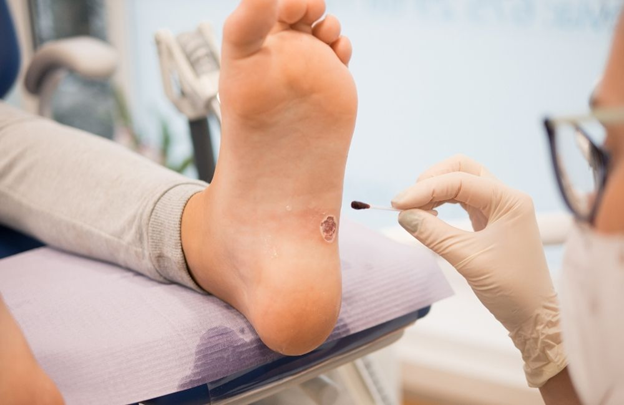
Over-the-counter wart removers can help, but not all are suitable for every type of wart. Plantar warts on your feet, for example, often need stronger solutions than those on your hands or face. Using the wrong kind of product can irritate your skin or make the wart more stubborn.
Some people try home acids, bleach, or vinegar directly on their skin, hoping to burn the wart off. That’s dangerous. These harsh substances can damage surrounding tissue, cause chemical burns, and even make the virus spread. Always use proven products or natural solutions specifically made for the treatment for warts rather than experimenting with harsh home mixtures.
Giving Up Too Soon
Warts rarely disappear overnight. Even with consistent treatment, it can take weeks—or sometimes months—for them to go away completely. Many people stop treatment too early when they see the wart shrinking, assuming it’s gone for good. But if you stop too soon, the virus may still be active beneath the skin, and the wart can grow back.
Patience is key. Continue the treatment as recommended, even after the wart appears to vanish. This helps ensure the virus is fully eliminated. Think of it like antibiotics—you wouldn’t stop midway through the prescription just because you feel better. The same logic applies here.
Overlooking Hygiene and Protection
Warts are contagious, which means you can spread them without realizing it. Sharing towels, razors, socks, or nail clippers can pass the virus to others. Walking barefoot in public showers or locker rooms also increases your risk of catching plantar warts.
Good hygiene can prevent new infections. Always keep your hands and feet dry, don’t share personal items, and cover warts with a waterproof bandage when swimming. These small steps go a long way in preventing reinfection and protecting others.
Ignoring Professional Help
Home remedies can be helpful, but they’re not always enough—especially for warts that are painful, large, or recurring. Some people keep trying one home fix after another for months, losing time and patience while the wart keeps spreading.
Dermatologists have access to more effective treatments, including cryotherapy (freezing), laser removal, or prescription-strength topical medications. Seeking expert help early can save you from scars, discomfort, and long-term frustration. Sometimes, what looks like a wart may even be something else entirely, like a skin tag or mole—so getting a diagnosis matters.
Skipping Follow-Up Care
Even after your wart is gone, the skin underneath can remain weak for a while. Without proper aftercare, the virus might reappear. Applying soothing oils or moisturizers, avoiding tight shoes (for plantar warts), and continuing to keep the area clean can prevent recurrence.
It’s also wise to keep an eye on your immune health—since warts thrive when immunity is low. If you’re prone to frequent breakouts, a doctor may recommend supplements or immune-boosting foods to help your body fight HPV naturally.
Final Thoughts
Getting rid of warts doesn’t have to be complicated, but avoiding these common mistakes can make your treatment smoother and faster. Don’t rush the process, and avoid shortcuts that could harm your skin. Whether you choose home remedies or professional procedures, the goal is to treat the virus safely and prevent it from returning.
If you’re looking for reliable options and need expert guidance, you can search for trusted goodwill bins near me to find clinics or dermatologists who specialize in safe and effective solutions. Always choose professionals who understand your skin and can tailor the treatment to your needs. Taking the right steps now means clearer, healthier skin in the long run.